Mostrando postagens com marcador Poesia Inglesa. Mostrar todas as postagens

Soneto XXXVIII

Calíope - musa grega.


Como pode minha Musa inventar seus motivos,
Enquanto vives a derramar em meu verso
Teu doce argumento, sublime demais
Para ser traçado sobre um papel comum?

Ah, agradeça a ti mesma, se em mim
Persiste o alento que se sustenta à tua frente;
Somente o estúpido não poderia te escrever,
Quando tu mesma dás luz à invenção?

Sê a décima musa, dez vezes mais valiosa
Do que as outras nove antigas que os poetas invocam;
E aquele que te chamar, faze com que traga
Eternos versos que vivam por um longo tempo
.
Se à minha leve Musa agradar esses curiosos dias,
Minha será a dor, mas tua será a rima.


Sonnet

How can my muse want subject to invent
While thou dost breathe that pour'st into my verse,
Thine own sweet argument, too excellent,
For every vulgar paper to rehearse?

O give thy self the thanks if aught in me,
Worthy perusal stand against thy sight,
For who's so dumb that cannot write to thee,
When thou thy self dost give invention light?

Be thou the tenth Muse, ten times more in worth
Than those old nine which rhymers invocate,
And he that calls on thee, let him bring forth
Eternal numbers to outlive long date.

If my slight muse do please these curious days,
The pain be mine, but thine shall be the praise.


William Shakespeare - Tradução de Thereza Christina Rocque da Motta.

Soneto XXXVII


Como um pai decrépito se regozija
De ver o filho fulgir na juventude,
Então, eu, aleijado por despeito da Fortuna,
Encontro meu consolo em tua honra e verdade.


Pois a beleza, o berço, a riqueza, a sagacidade,
Ou quaisquer dessas qualidades, ou todas, ou outras,
Permanecem assentadas em si mesmas,
Ofereço meu amor em seu nome.

Então, não sou aleijado, pobre, nem desprezado,
Enquanto esta sombra se lança sobre ele,
Que eu, em tua abundância, me satisfaço,
E em uma parte do todo vive a tua glória.

Vê o melhor, o melhor que desejo em ti;
Este é meu desejo; então sou dez vezes mais feliz.


Sonnet

As a decrepit father takes delight,
To see his active child do deeds of youth,
So I, made lame by Fortune's dearest spite
Take all my comfort of thy worth and truth.

For whether beauty, birth, or wealth, or wit,
Or any of these all, or all, or more
Entitled in thy parts, do crowned sit,
I make my love engrafted to this store:

So then I am not lame, poor, nor despised,
Whilst that this shadow doth such substance give,
That I in thy abundance am sufficed,
And by a part of all thy glory live:

Look what is best, that best I wish in thee,
This wish I have, then ten times happy me.
William Shakespeare - Tradução: Thereza Christina Rocque da Motta

Há uma certa inclinação da luz


Há uma certa inclinação da luz,
Nas tardes hibernais,
Que oprime, como o peso
Do eco dos sinos nas catedrais.

Ferida celestial ela nos dá.
Não podemos achar a cicatriz,
Mas a diferença interna,
Do que tem sentido, lá está.

Ninguém pode ensiná-la – ninguém.
Ela é a marca do desespero –
Uma agonia imperial
Que nos é enviada do ar.

Quando ela vem, a paisagem escuta;
As sombras prendem a respiração.
Quando ela vai, é como a distância
No ar da morte.


There’s a certain Slant of light

There’s a certain Slant of light,
Winter Afternoons –
That oppresses, like the Heft
Of Cathedral Tunes –

Heavenly Hurt, it gives us –
We can find no scar,
But internal difference,
Where the Meanings, are –

None may teach it – Any –
’Tis the Seal Despair –
An imperial affliction
Sent us of the Air –

When it comes, the Landscape listens –
Shadows – hold their breath –
When It goes, ’tis lIke the Distance
On the look of Death –

Emily Dickinson. 

Há uma certa inclinação da luz. Tradução de Vera das Neves Pedroso. In: JOHNSON, Thomas H. Mistério e solidão: a vida e a obra de Emily Dickinson. Tradução de Vera das Neves Pedroso. 1. ed. Rio de Janeiro, GB: Lidador, 1965. p. 200-201.

Soneto XXXVI


Deixa-me confessar que devemos ser iguais,
Embora nossos amores indivisos sejam um;
Da mesma forma que as manchas que ficam comigo,
Sem teu auxílio, para que eu as suporte sozinho.

Em nossos amores, há o mesmo respeito,
Embora em nossas vidas o mal nos separe,
Que, mesmo sem alterar os efeitos únicos do amor,
Consegue subtrair doces horas do amoroso prazer.

Eu jamais poderia te reconhecer,
A menos que minha culpa te envergonhe;
Nem tu publicamente com gentilezas me honrarias,
A menos que tire essa honra de teu nome.

Mas não faças isso; amo-te de tal modo,
Pois, sendo minha, de ti só direi o bem.


Sonnet

Let me confess that we two must be twain,
Although our undivided loves are one:
So shall those blots that do with me remain,
Without thy help, by me be borne alone.

In our two loves there is but one respect,
Though in our lives a separable spite,
Which though it alter not love's sole effect,
Yet doth it steal sweet hours from love's delight.

I may not evermore acknowledge thee,
Lest my bewailed guilt should do thee shame,
Nor thou with public kindness honour me,
Unless thou take that honour from thy name:

But do not so, I love thee in such sort,
As thou being mine, mine is thy good report.

William Shakespeare - Tradução de Thereza Christina Rocque da Motta.

Soneto XXXV


Não te entristeças mais pelo que fizeste:
As rosas têm espinhos, e a prata jaz sob a lama;
As nuvens e os eclipses encobrem o sol e a lua,
E o terrível negrume vive no doce botão.


Todo homem erra, e mesmo eu aqui,
Permitindo que ouses comparar,
Minha corrupção, salvando tua omissão,
Desculpando em excesso os teus erros;

Pois teu pecado sensual eu considero –
Teu adversário é teu advogado –
E contra mim instaura-se um pleito;
Há uma guerra civil entre o amor e o ódio


Em que me torno cúmplice
Do ladrão, que, malicioso, rouba a mim.


Sonnet

No more be grieved at that which thou hast done,
Roses have thorns, and silver fountains mud,
Clouds and eclipses stain both moon and sun,
And loathsome canker lives in sweetest bud.

All men make faults, and even I in this,
Authorizing thy trespass with compare,
My self corrupting salving thy amiss,
Excusing thy sins more than thy sins are:

For to thy sensual fault I bring in sense,
Thy adverse party is thy advocate,
And 'gainst my self a lawful plea commence:
Such civil war is in my love and hate,

That I an accessary needs must be,
To that sweet thief which sourly robs from me.

William Shakespeare - Tradução de Thereza Christina Rocque da Motta

O mundo


Insuportável mundo! A obter e jogar fora,
nós arrasamos, tarde ou não, nosso vigor:
pouco de nosso vemos, natureza afora;
demos o coração, em sórdido favor!
O mar que à Lua mostra o peito, em seu fragor;
os ventos que estarão uivando a toda hora,
mas, como flores a dormir, calam-se agora:
nada nos move: eu preferia, Deus senhor,
pois que nosso ânimo com coisa alguma afina,
ser um pagão nutrido em gasta, anciã doutrina,
para que me sentisse menos desvalido
ao vislumbrar rápidos vultos na campina:
queria ver Proteu, do azul do mar surgido,
e ouvir Tritão soprar o búzio retorcido.


The world is too much with us; late and soon

The world is too much with us; late and soon,
Qetting and spending, we lay waste our powers:
Little we see in Nature that is ours;
We have given our hearts away, a sordid boon!
The Sea that bares her bosom to the moon;
The winds that will be howling at all hours,
And are up-gathered now like sleeping flowers,
For this, for everything, we are out of time;
It moves us not. – Great God! I’d rather be
A pagan suckled in a creed outwom;
So might I, standing on this pleasant lea,
Have glimpses that would make me less forlon;
Have sight of Proteus rising from the sea;
Or hear old Triton blow his wreathèd horn.


William Wordsworth.
WORDSWORTH, William. The world is too much with us; late and soon / O Mundo. Tradução de Péricles Eugênio da Silva Ramos. In: CHAUCER, Geoffrey et al. Poetas da Inglaterra. Edição bilíngue. Tradução e notas de Péricles Eugênio da Silva Ramos em colaboração com Paulo Vizioli. São Bernardo do Campo, SP: Secretaria da Cultura, Esporte e Turismo do Estado de São Paulo; Bandeirante S. A. Indústria Gráfica, dez. 1970. Em inglês: p. 150; em português: p. 151.

Meditação 17


(trecho)

Nenhum homem é uma ilha, completa em si mesma; todo homem é um pedaço do continente, uma parte da terra firme. Se um torrão de terra for levado pelo mar, a Europa fica menor, como se tivesse perdido um promontório, ou perdido o solar de um teu amigo, ou o teu próprio. A morte de qualquer homem diminui a mim, porque na humanidade me encontro envolvido; por isso, nunca mandes indagar por quem os sinos dobram; eles dobram por ti.


MEDITATION 17

(excerpt)

No man is an island, entire of itself; every man is a piece of the continent, a part of the main; if a clod be washed away by the sea, Europe is the less, as well as if a promontory were, as well as if a manor of thy friend's or of thine own were; any man's death diminishes me, because I am involved in mankind, and therefore never send to know for whom the bell tolls; it tolls for thee.


John Donne - Tradução: Paulo Vizioli

Troféus


A pantera? Ela já arrastara você,
Como se a abocanhá-la, por toda a Europa,
Como que a pender entre suas patas,
Você de boca aberta, chorando, ou nem chorando mais,
Apenas se deixando arrastar. A verdadeira presa
Já havia escapado com um pulo. Assim, a fera,
Frustrada, furiosa,
Mordia sua traquéia, estrangulada o som. O que espirrava fora
Formava manchas de teste Rorschach
No seu diário. O seu esforço de gritar palavras
Desfazia-se em sangue oxigenado
Enriquecido pelas adrenalinas
Do desespero, terror, fúria pura e simples –
Quarenta anos depois
O cheiro da fera emana das páginas secas
E me arrepia os pêlos das mãos.
A emoção. O súbito
Olhar que se fixou em mim
Saído das suas jóias cor de âmbar
E, quando a vi desprevenida, cravou
Suas presas no meu rosto. A tenacidade
Da posse do felino enorme
Sobre a presa escolhida e estropiada
É um processo químico – combustão
Da matéria do juízo.

Assim, ela saltou sobre você. Suas pegadas
Marcaram a sua página. Sem dúvida
O sangue era seu. Com uma risada,
Recebi o impacto de seu peso. Eu não sabia
Que o ataque choque de um predador de grande porte,
Dizem os sobreviventes, mergulha a vítima
Numa euforia de embriaguez. Ainda sorrindo
Enquanto ela me arrastava, arranquei
Com cuidado a faixa presa entre seus dentes
E um de seus brincos, para guardar como troféus.

.

TROPHIES

The panther? It had already dragged you
As if in its jaws, across Europe.
As if trailing between its legs,
Your mouth crying open, or not even crying any more,
Just letting yourself be dragged. Its real prey
Had skipped and escaped. So the fangs,
Blind in frustration,
Crushed your trachea, strangled the sounds. The Rorschach
Splashing of those outpourings stained
Your journal pages. Your effort to cry words
Came apart in aired blood
Enriched by the adrenalins
Of despair, terror, sheer fury –
After forty years
The whiff of that beast, off the dry pages,
Lifts the hair on the back of my hands.
The thrill of it. The sudden
Look that locked on me
Through your amber jewels
And as I caught you lolling locked
Its jaws into my face. The tenacity
Of the big cat’s claim
On the one marked down and once disabled
Is a chemical process – a combustion
Of the stuff of judgement.

So it sprang over you. Its jungle prints
Hit your page. Plainly the blood
Was your own. With a laugh I
Took its full weight. Little did I know
The shock attack of a big predator
According to survivors numbs the target
Into drunken euphoria. Still smiling
As it carried me off I detached
The hairband carefully from between its teeth
And a ring from its ear, for my trophies.

Ted Hughes em "Cartas de aniversário". [tradução de Paulo Henriques Britto]. Edição bilíngüe. Rio de Janeiro: Record, 1999.

Canção de Amor


Tua beleza, que uma vez perdi de vista

por longo tempo, é longa,
não simétrica, e veste

as cores terrosas que me fazem vê-la.

Uma longa beleza. Que é isso?
Uma canção

que pode ser cantada uma e outra vez
longas notas ou longos ossos.

O amor é uma paisagem que as longas montanhas
definem mas não

separam da

distância imperceptível.
No outono, no outono,

tuas árvores esticam
seus braços longos em mangas

de vermelho terra e
amarelo céu, um pouco
podadas. Eu dou

longos passeios por eles. As uvas
que precisam de geada para amadurecer

são âmbar e crescem profundas na
sebe, meio ocultas,
como tua beleza cresce em longas gavinhas

meio na escuridão.


LOVE SONG

Your beauty, which I lost sight of once
for a long time, is long,
not symmetrical, and wears
the earth colors that make me see it.

A long beauty, what is that?
A song
that can be sung over and over,
long notes or long bones.

Love is a landscape the long mountains
define but don’t
shut off from the
unseeable distance.

In fall, in fall,
your trees stretch
their long arms in sleeves
of earth-red and

sky-yellow, a little
lop-sided. I take
long walks among them. The grapes
that need frost to ripen them

are amber and grow deep in the
hedge, half-concealed,
the way your beauty grows in long tendrils
half in darkness.

Denise Levertov - Tradução de Mariana Basílio


Uma palavra morre

Quando é dita –
Dir-se-ia –
Pois eu digo
Que ela nasce
Nesse dia.


A word is dead
When it is said,
Some say.
I say it just
Begins to live
That day.

Emily Dickinson - Trad. Aíla de Olveira Gomes.

Leite derramado


Os esporos de duas aspirinas dissolvem no copo,
os micélios frutificam a água que eu viro láctea.
O mundo inteiro escorrega pelo ralo à minha janela.

Não para de chover desde que você partiu, as ruas escuras
e musculosas com a água. Dolorido e exausto você gozou
na minha boca, cobrindo a língua com seu leite bom e amargo.

Agora descubro que você descontou aquele cheque. Imagino
você deslizando o papel sob o aço e o vidro. Estou sentada aqui
no círculo de luz, estudando mulheres de novecentos anos atrás.

Minha mão entra na escuridão enquanto escrevo, A adúltera
perdeu o nariz e as orelhas; o homem foi multado. Viro o copo.
Ainda quero voltar ao quarto de hotel perto da estação

para ouvir a noite toda os trens de carga entrando e partindo.


Split Milk

Two soluble aspirins spore in this glass, their mycelia
fruiting the water, which I twist into milkiness.
The whole world seems to slide into my drain by my window.

It has rained and rained since you left, the streets black
and muscled with water. Out of pain and exhaustion you came
into my mouth, covering my tongue with your good and bitter milk.

Now I find you have cashed that cheque. I imagine you
slipping the paper under steel and glass. I sit here in a circle
of lamplight, studying women of nine hundred years past.

My hand moves into darkness as I write, The adulterous woman
lost her nose and ears; the man was fined. I drain the glass.
I still want to return to that hotel room by the station

to hear all night the goods trains coming and leaving.


Sarah Maguire - tradução de Rob Packer

Soneto XXXIV


Por que me prometeste um dia tão belo
E me fizeste viajar sem meu manto,
Deixando que nuvens baixas cobrissem meu caminho,
Ocultando tua bravura em seu lacerado fumo?

Não basta que irrompas as nuvens
Para enxugar a chuva em meu rosto abatido,
Pois nenhum homem poderá dizer uma oração
Que cicatrize a ferida sem curar a desgraça.

Nem poderá tua vergonha revelar minha dor;
Embora te arrependas, ainda assim perderei;
A tristeza do ofensor pouco alivia
Aquele que carrega a pesada cruz da ofensa.

Ah, mas as lágrimas são pérolas que o teu amor verte;
Elas são valiosas, e resgatam todos os males.


Sonnet

Why didst thou promise such a beauteous day,
And make me travel forth without my cloak,
To let base clouds o'ertake me in my way,
Hiding thy brav'ry in their rotten smoke?

'Tis not enough that through the cloud thou break,
To dry the rain on my storm-beaten face,
For no man well of such a salve can speak,
That heals the wound, and cures not the disgrace:

Nor can thy shame give physic to my grief
Though thou repent, yet I have still the loss,
Th' offender's sorrow lends but weak relief
To him that bears the strong offence's cross.

Ah but those tears are pearl which thy love sheds,
And they are rich, and ransom all ill deeds.


William Shakespeare - Tradução de Thereza Christina Rocque da Motta

Soneto XXXIII


Já vi muitas manhãs gloriosas cobrirem
Os cumes das montanhas com o olhar soberano,
Beijando com a tez dourada o verde dos campos,
Colorindo pálidos córregos com a divina alquimia,

Não permitindo que as nuvens baixas vaguem
Com aspecto horrendo sobre a face celestial,
E do mundo distante esconder sua visagem,
Fugindo, despercebido, para o Oeste em desgraça.

Mesmo assim, meu sol brilhou cedo, um dia,
Em todo o seu esplendor triunfante sobre o cenho;
Porém, ó dor, ele apenas foi meu por uma hora –
As brumas encobriram-no totalmente agora.

Embora ele, por isso, desdenhe o meu amor;
Os sóis do mundo manterão a sua mácula.


Em inglês:

Sonnet

Full many a glorious morning have I seen,
Flatter the mountain tops with sovereign eye,
Kissing with golden face the meadows green;
Gilding pale streams with heavenly alchemy:

Anon permit the basest clouds to ride,
With ugly rack on his celestial face,
And from the forlorn world his visage hide
Stealing unseen to west with this disgrace:

Even so my sun one early morn did shine,
With all triumphant splendour on my brow,
But out alack, he was but one hour mine,
The region cloud hath masked him from me now.

Yet him for this, my love no whit disdaineth,
Suns of the world may stain, when heaven's sun staineth.

William Shakespeare - Tradução de Thereza Christina Rocque da Motta

Soneto XXXII


Se sobreviveres à plenitude do meu dia,
Quando a Morte vil com o pó cobrir meus ossos,
E, por sorte, mais uma vez releres
Estes pobres e rudes versos de teu falecido amante,

Compara-os com o apuro do tempo,
E embora sejam superados por outras plumas,
Guarda-os pelo meu amor, não pela rima,
Suplantada pela excelência de homens mais felizes.

Ó poupe-me, salvo este pensamento amoroso:
‘Se a Musa de meu amigo tivesse crescido com a sua idade,
Seu amor gerou um nascimento mais caro do que este
Para cerrar as fileiras mais bem equipado;

Mas como ele morreu, e os poetas se provaram melhores,
Lerei seus poemas pelo estilo e, os dele, pelo seu amor’.


Sonnet

If thou survive my well-contented day,
When that churl death my bones with dust shall cover
And shalt by fortune once more re-survey
These poor rude lines of thy deceased lover:

Compare them with the bett'ring of the time,
And though they be outstripped by every pen,
Reserve them for my love, not for their rhyme,
Exceeded by the height of happier men.

O then vouchsafe me but this loving thought,
'Had my friend's Muse grown with this growing age,
A dearer birth than this his love had brought
To march in ranks of better equipage:

But since he died and poets better prove,
Theirs for their style I'll read, his for his love'.

William Shakespeare - Tradução de Thereza Christina Rocque da Motta

SonetoXXXI


Teu peito contém todos os corações,
Que eu, por não os ter, supus mortos;
E onde reina o amor, e tudo o que o amor mais ama,
E todos os amigos que pensei jazidos.


Quantas lágrimas santas e obsequiosas
Roubaram o amor sagrado de meus olhos,
Como maldição dos mortos, que agora ressurge
Entre coisas invisíveis que em ti se ocultam!

Tu és a tumba onde o amor enterrado vive,
Preso aos trunfos dos amores que partiram,
Que entregaram a ti tudo que pertence a mim;
E, por isso, tudo agora é apenas teu:

Tudo que neles amei, eu vejo em ti,
E tu (todos eles) me tens em tudo o que sou.


Sonnet

Thy bosom is endeared with all hearts,
Which I by lacking have supposed dead,
And there reigns love and all love's loving parts,
And all those friends which I thought buried.

How many a holy and obsequious tear
Hath dear religious love stol'n from mine eye,
As interest of the dead, which now appear,
But things removed that hidden in thee lie.

Thou art the grave where buried love doth live,
Hung with the trophies of my lovers gone,
Who all their parts of me to thee did give,
That due of many, now is thine alone.

Their images I loved, I view in thee,
And thou (all they) hast all the all of me.


William Shakespeare - Tradução de Thereza Christina Rocque da Motta

Soneto XXX


Quando, em silêncio, penso, docemente,
Sobre fatos idos e vividos,
Sinto falta do muito que busquei,
E desperdiço um tempo precioso com antigos lamentos:


Então meus olhos naufragam sem mais saber chorar,
Por queridos amigos envoltos pela noite do esquecimento,
E novamente choro o amor há tanto abandonado,
Gemendo por algo que não mais vejo:

Assim, posso sofrer as velhas dores,
E lamentar, de pesar em pesar,
Uma triste história de antigas mágoas,
Que pranteio como se não as tivesse pranteado antes.

Mas quando penso em ti, querida amiga,
Todas as perdas cessam, e a tristeza finda.


Sonnets

When to the sessions of sweet silent thought,
I summon up remembrance of things past,
I sigh the lack of many a thing I sought,
And with old woes new wail my dear time's waste:

Then can I drown an eye (unused to flow)
For precious friends hid in death's dateless night,
And weep afresh love's long since cancelled woe,
And moan th' expense of many a vanished sight.

Then can I grieve at grievances foregone,
And heavily from woe to woe tell o'er
The sad account of fore-bemoaned moan,
Which I new pay as if not paid before.

But if the while I think on thee (dear friend)
All losses are restored, and sorrows end.

William Shakespeare - Tradução de Thereza Christina Rocque da Motta

Soneto XXIX


Quando em desgraça, sem sorte e afastado
Dos homens, sozinho, em meu exílio,
Perturbo os Céus surdos, a gritar sem sossego,
E olho para mim, e amaldiçoo meu destino,


Sonhando ser mais afortunado,
Como homem de muitos amigos,
Cobiçando seus talentos e visão,
E aquilo que mais aprecio sinto menos satisfeito;

Mesmo, nesses pensamentos, quase me desprezando,
Feliz, penso em ti – depois em meus bens
(Como a cotovia elevando-se ao romper do dia
Das entranhas da terra), em hinos a louvar o céu;

Pois, lembrar de teu doce amor traz tanta riqueza,
Que desdenho trocar meu dote com reis.


Sonnets

When in disgrace with Fortune and men's eyes,
I all alone beweep my outcast state,
And trouble deaf heaven with my bootless cries,
And look upon my self and curse my fate,

Wishing me like to one more rich in hope,
Featured like him, like him with friends possessed,
Desiring this man's art, and that man's scope,
With what I most enjoy contented least,

Yet in these thoughts my self almost despising,
Haply I think on thee, and then my state,
(Like to the lark at break of day arising
From sullen earth) sings hymns at heaven's gate,

For thy sweet love remembered such wealth brings,
That then I scorn to change my state with kings.


William Shakespeare - Tradução de Thereza Christina Rocque da Motta

Soneto XXVIII


Como posso, então, retomar o feliz sofrimento
Ao ser impedido da bênção do descanso,
Quando a opressão do dia não cessa à noite,
Mas se oprime, dia e noite, noite e dia,


E ambos (embora inimigos por natureza)
Consintam em cumprimentar-se para me torturar,
Um por obrigação, o outro, por queixume
De que eu trabalhe ainda mais distante de ti?

Digo ao dia, para agradá-lo, que és luz,
E dou-lhe graças quando as nuvens cobrem o céu;
Assim louvo a escura tez noturna,
Quando as estrelas não brilham e tu refulges sozinha.

Mas o dia prolonga meus pesares,
E a noite faz a tristeza parecer ainda maior.


Sonnets XXVIII

How can I then return in happy plight
That am debarred the benefit of rest?
When day's oppression is not eased by night,
But day by night and night by day oppressed.

And each (though enemies to either's reign)
Do in consent shake hands to torture me,
The one by toil, the other to complain
How far I toil, still farther off from thee.

I tell the day to please him thou art bright,
And dost him grace when clouds do blot the heaven:
So flatter I the swart-complexioned night,
When sparkling stars twire not thou gild'st the even.

But day doth daily draw my sorrows longer,
And night doth nightly make grief's length seem stronger


William Shakespeare - Tradução de Thereza Christina Rocque da Motta

Soneto XXVII


Cansado do trabalho, corro ao leito
Para repousar meus membros exaustos de viagem;
No entanto, inicia-se uma jornada em minha mente,
Depois que a atividade de meu corpo cessa:

Assim, meus pensamentos (vindos de muito longe)
Começam uma lenta peregrinação até onde estás,
E fazem que meus olhos sonolentos não se fechem,
Encarando o negror que os cegos veem:

Exceto que a visão imaginária de minh’alma
Traz tua sombra invisível,
Que, como uma joia suspensa no escuro,
Adorna a noite turva, a renovar seus traços.

Vê! Assim, de dia, as pernas e, à noite, a mente,
Nem por mim, nem por ti, encontram paz.


Sonnets

Weary with toil, I haste me to my bed,
The dear respose for limbs with travel tired,
But then begins a journey in my head
To work my mind, when body's work's expired.

For then my thoughts (from far where I abide)
Intend a zealous pilgrimage to thee,
And keep my drooping eyelids open wide,
Looking on darkness which the blind do see.

Save that my soul's imaginary sight
Presents thy shadow to my sightless view,
Which like a jewel (hung in ghastly night)
Makes black night beauteous, and her old face new.

Lo thus by day my limbs, by night my mind,
For thee, and for my self, no quiet find.

William Shakespeare - Tradução de Thereza Christina Rocque da Motta

Se


Se és capaz de manter a tua calma quando
Todo o mundo ao teu redor já a perdeu e te culpa;
De crer em ti quando estão todos duvidando,
E para esses no entanto achar uma desculpa;
Se és capaz de esperar sem te desesperares,
Ou, enganado, não mentir ao mentiroso,
Ou, sendo odiado, sempre ao ódio te esquivares,
E não parecer bom demais, nem pretensioso;
Se és capaz de pensar –sem que a isso só te atires,
De sonhar –sem fazer dos sonhos teus senhores.
Se encontrando a desgraça e o triunfo conseguires
Tratar da mesma forma a esses dois impostores;
Se és capaz de sofrer a dor de ver mudadas
Em armadilhas as verdades que disseste,
E as coisas, por que deste a vida, estraçalhadas,
E refazê-las com o bem pouco que te reste;
Se és capaz de arriscar numa única parada
Tudo quanto ganhaste em toda a tua vida,
E perder e, ao perder, sem nunca dizer nada,
Resignado, tornar ao ponto de partida;
De forçar coração, nervos, músculos, tudo
A dar seja o que for que neles ainda existe,
E a persistir assim quando, exaustos, contudo
Resta a vontade em ti que ainda ordena: “Persiste!”;
Se és capaz de, entre a plebe, não te corromperes
E, entre reis, não perder a naturalidade,
E de amigos, quer bons, quer maus, te defenderes,
Se a todos podes ser de alguma utilidade,
E se és capaz de dar, segundo por segundo,
Ao minuto fatal todo o valor e brilho,
Tua é a terra com tudo o que existe no mundo
E o que mais –tu serás um homem, ó meu filho!

.

If


If you can keep your head when all about you
Are losing theirs and blaming it on you,
If you can trust yourself when all men doubt you
But make allowance for their doubting too,
If you can wait and not be tired by waiting,
Or being lied about, don’t deal in lies,
Or being hated, don’t give way to hating,
And yet don’t look too good, nor talk too wise;
If you can dream–and not make dreams your master,
If you can think–and not make thoughts your aim;
If you can meet with Triumph and Disaster
And treat those two impostors just the same;
If you can bear to hear the truth you’ve spoken
Twisted by knaves to make a trap for fools,
Or watch the things you gave your life to, broken,
And stoop and build ‘em up with worn-out tools;
If you can make one heap of all your winnings
And risk it all on one turn of pitch-and-toss,
And lose, and start again at your beginnings
And never breath a word about your loss;
If you can force your heart and nerve and sinew
To serve your turn long after they are gone,
And so hold on when there is nothing in you
Except the Will which says to them: “Hold on!”
If you can talk with crowds and keep your virtue,
Or walk with kings –nor lose the common touch,
If neither foes nor loving friends can hurt you;
If all men count with you, but none too much,
If you can fill the unforgiving minute
With sixty seconds’ worth of distance run,
Yours is the Earth and everything that’s in it,
And –which is more– you’ll be a Man, my son


Rudyard Kipling 

[tradução Guilherme de Almeida]
LP Paulo Bonfim, Guilherme de Almeida. gravadora RGE. selo Prosa e Poesia, 1989. Poema “Si” | “If”, de Rudyard Kipling.

O Tempo seca o Amor

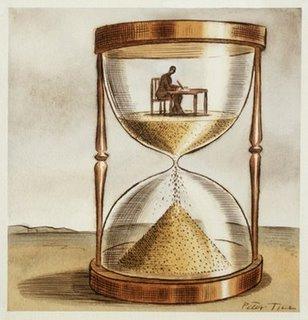
O tempo seca a beleza, seca o amor, seca as palavras. Deixa tudo solto, leve, desunido para sempre como as areias nas águas. O tempo seca a ...

Nos últimos 30 dias.